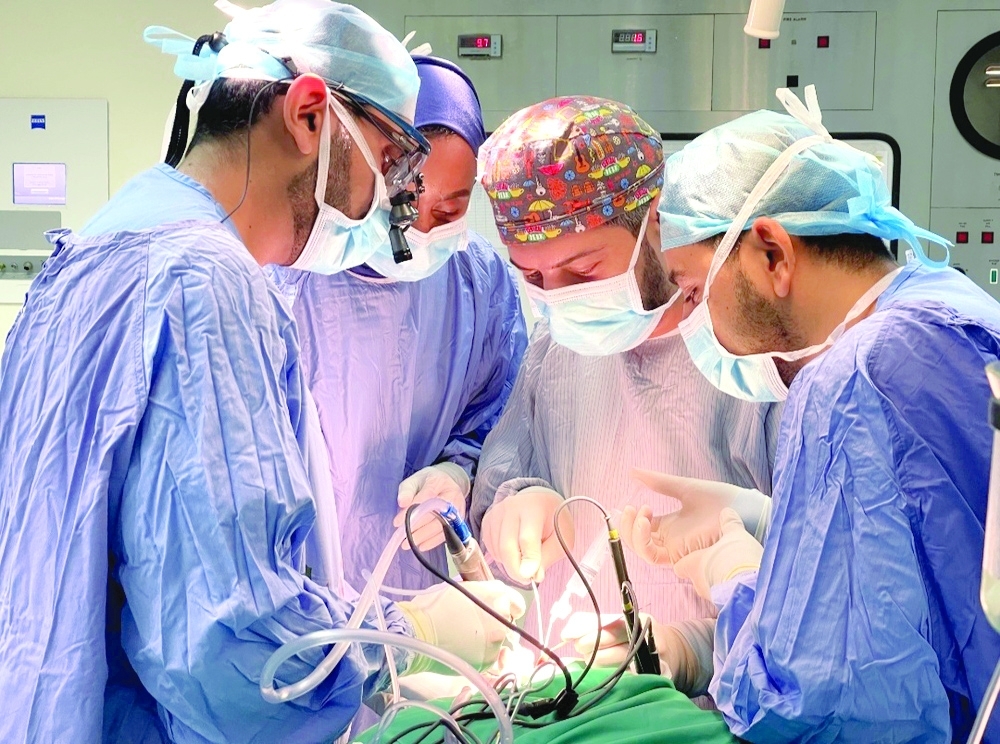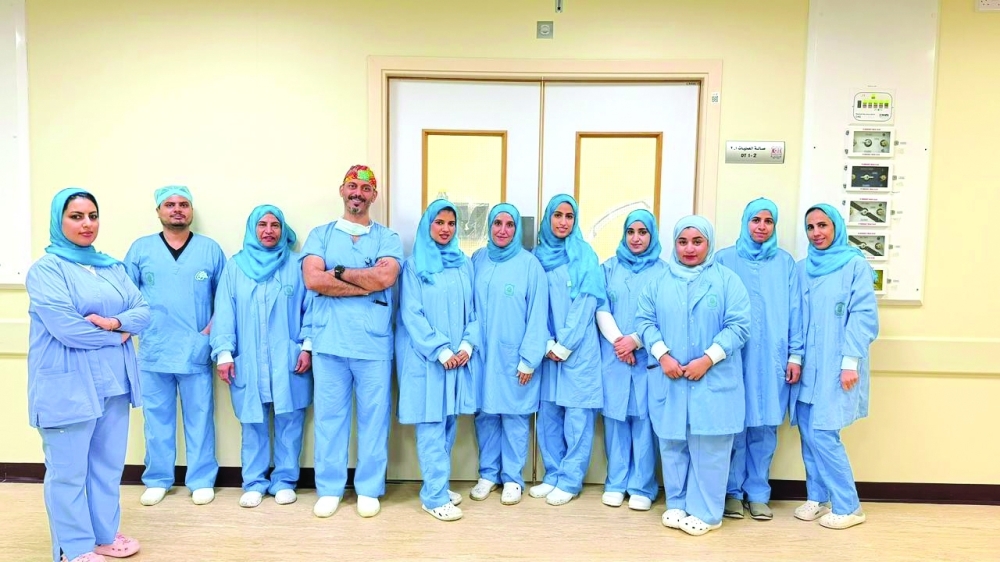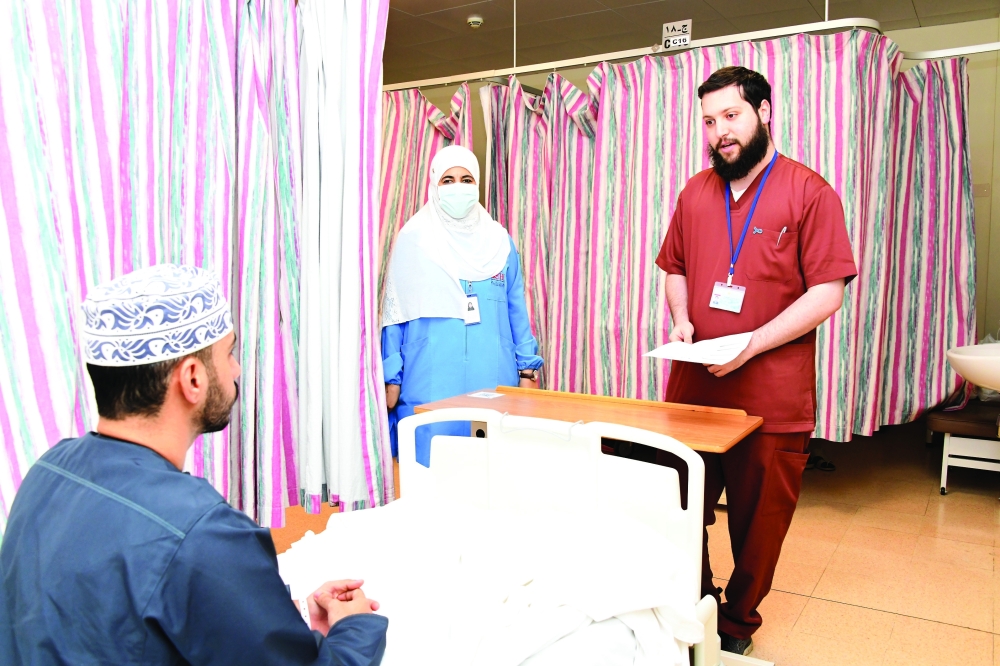





MUSCAT: Khoula Hospital has performed 10 successful epilepsy surgeries with a 70 per cent recovery rate since the beginning of 2025.
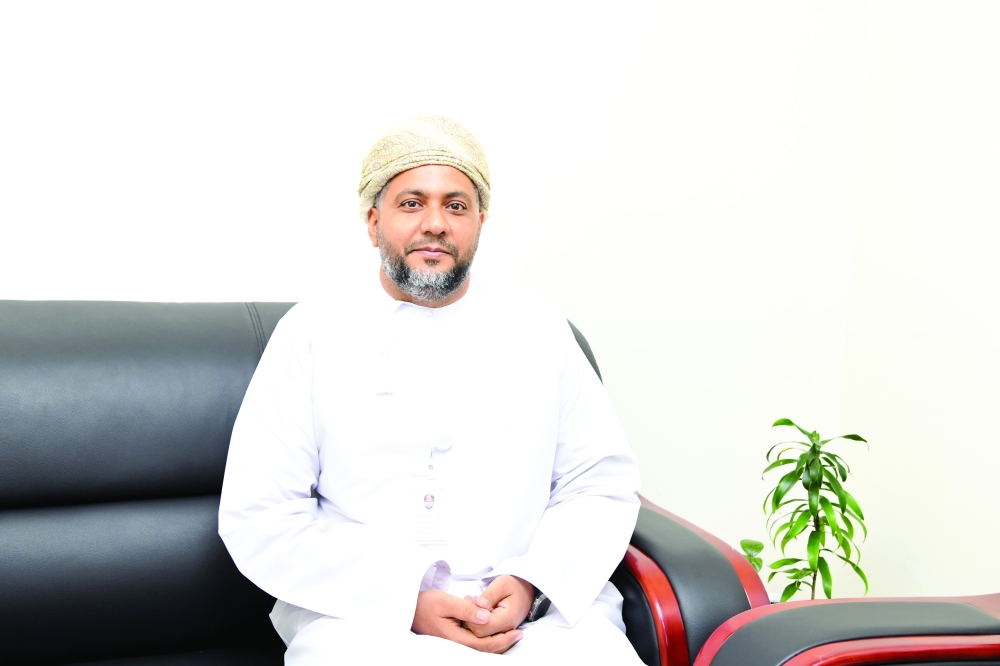
Dr Said bin Mohammed al Maawali, Consultant Neurologist at Khoula Hospital, said that the causes of epilepsy may stem from a dynamic process called Epileptogenesis. This condition causes the cerebral cortex to malfunction, resulting in spontaneous and continuous epileptic seizures. Several factors contribute to this, including genetic predisposition, strokes, brain infections, tumours and injuries. However, in some cases, the cause remains unknown.
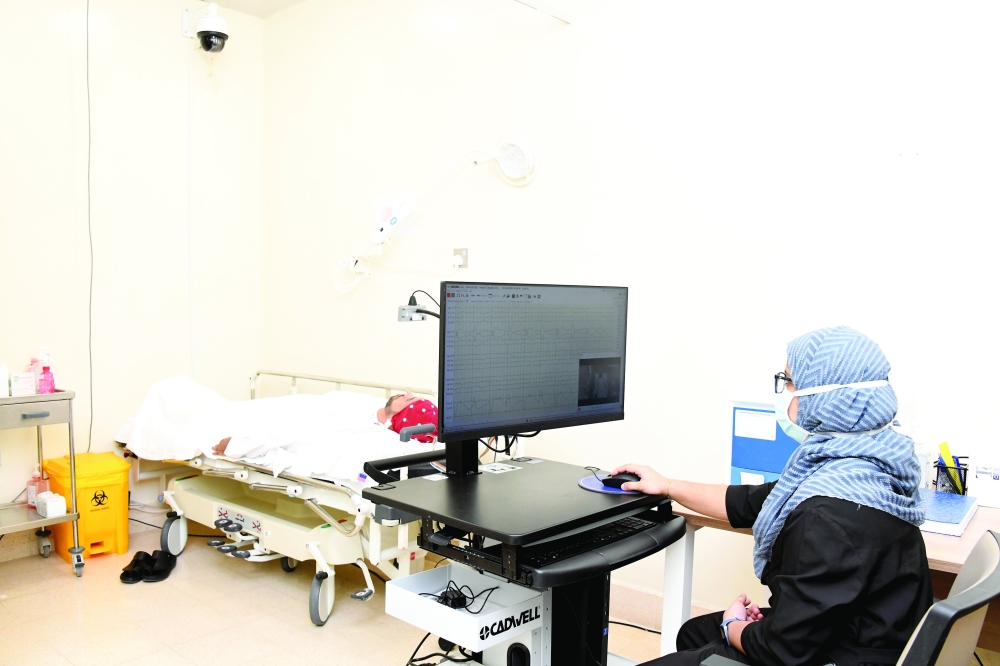
Al Maawali noted that the surgical treatment of epilepsy involves delicate stages, beginning with diagnosis, which presents the greatest challenge. In some cases, epilepsy is not caused by the underlying condition itself, but rather by other problems. Some cases are due to behavioral disorders, heart problems, or other issues. Diagnosis is undertaken by a specialist physician, and the patient undergoes several tests, including electroencephalography (EEG), scans, and others. After that, the case is assessed, and the appropriate medication is prescribed adding that 70 per cent of cases respond to medication.
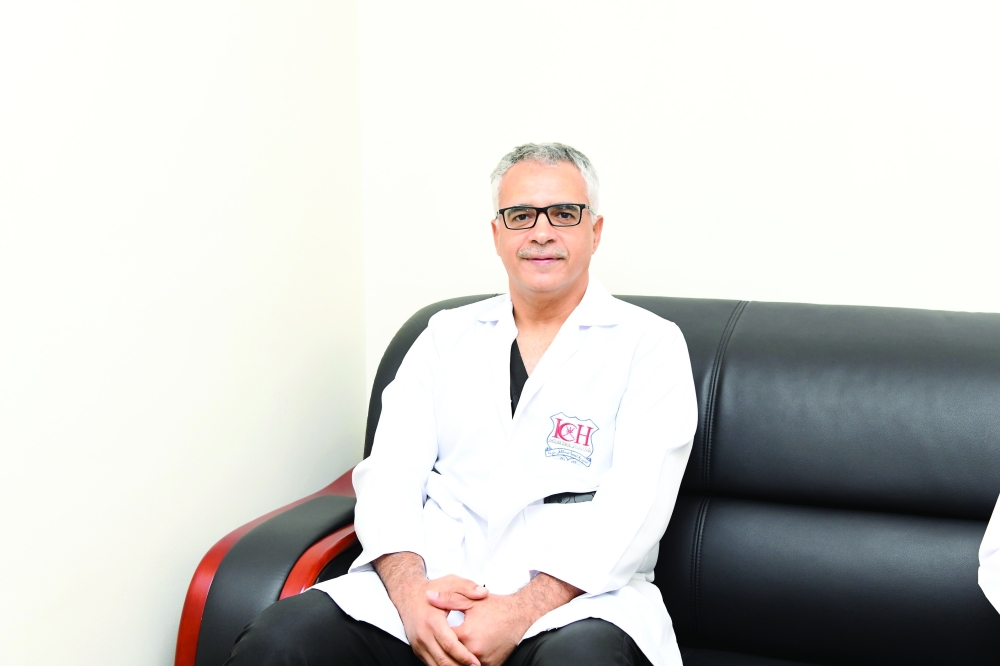
Dr Ahmed bin Sulaiman al Azri, Senior Consultant Neurosurgeon at Khoula Hospital, explained that the decision to intervene surgically is made after careful evaluation. A patient who begins experiencing seizures and whose condition improves functionally with anti-seizure medications is not considered a candidate for surgery. He pointed to the development in the medical protocol, where previously, the patient would take two types of medication at the maximum possible dose without improvement before considering surgery. Now, it is sufficient for the patient to not respond to one type of medication to be immediately placed on the list of candidates for surgery.
Al Azri noted that most patients refuse to undergo surgery at first due to lack of awareness of its nature. However, the patient’s conviction begins when it is explained to him that the surgery has a 70 per cent recovery rate.
Oman Observer is now on the WhatsApp channel. Click here